

Tokyo: SiltaNews – News Desk
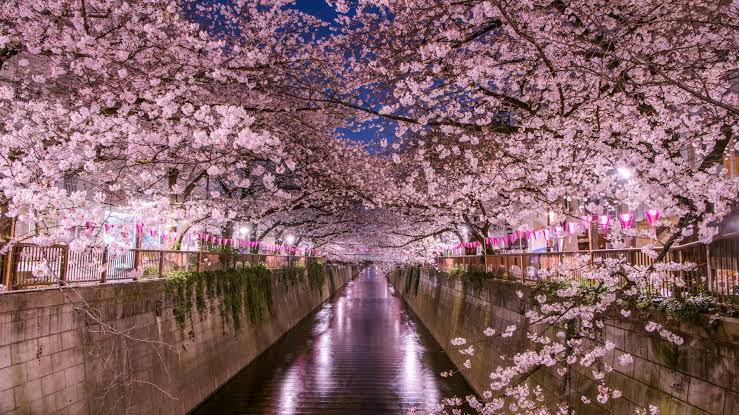
Hanami, or Japanese cherry blossom viewing, is a centuries-old tradition of welcoming spring by picnicking, partying, and relaxing under blooming sakura trees, usually from late March to early May. Centered on appreciating the fleeting beauty of flowers, people gather in parks, temples, and along rivers to enjoy food, drinks, and the, often, “snowing” petals.
It symbolizes the appreciation of the transient, fleeting nature of life, known as mono no aware. While walking, it often involves, lively, crowded, picnic-style parties with friends, family, or colleagues, particularly under the commonly seen Somei-yoshino trees. The peak season lasts about 7–10 days in any given location, starting earlier (January) in Okinawa and moving north to Hokkaido by May. Major well-known spots include locations like Tokyo’s Yasukuni Shrine, Ueno Park, or various riverside, locations across the country.
Originating, it is said in the Nara period it historically, was adopted by aristocrats and later became a popular, large-scale, festive tradition. Popular, well-known, spots are crowded. It’s advised to send someone early to claim a prime spot. People typically, bring, bento boxes, snacks, and drinks, which are often, readily available, for purchase, nearby, at local, 100-yen shops. Some parks illuminated trees, are popular for evening, viewings, or yozakura.