

Johannesburg: SiltaNews – News Desk
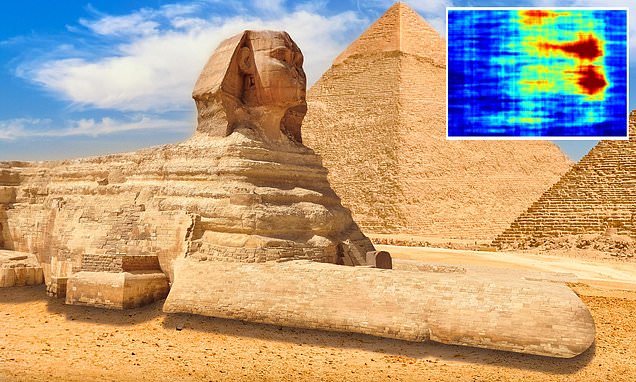
In 2025, Egyptian researchers achieved a breakthrough in micro‑technology by deploying advanced radar imaging systems beneath the Giza Plateau. The innovation, based on ultra‑sensitive micro‑wave frequencies, allowed scientists to scan nearly three kilometers underground without excavation. The results revealed a vast network of chambers, shafts, and architectural features previously unknown to Egyptology.
The discovery was first reported in March 2025, with expanded findings published in October. Using micro‑radar sensors, the team produced three‑dimensional maps of subterranean structures, offering new insights into ancient Egyptian engineering and burial practices. This technology represents a significant leap in non‑invasive archaeology, combining physics and heritage science to protect historical sites while uncovering their secrets.
Moonlight energy devices and AI diplomacy have also drawn attention in Egypt’s scientific landscape this year, but the micro‑radar breakthrough stands out for its ability to reshape archaeological research. By revealing hidden structures without disturbing the ground, Egypt has positioned itself at the forefront of global innovation in micro‑technology and heritage preservation.