

Cairo: Silta – Ashraf Gaber
Real development doesn’t start from capital cities. It starts from villages and small communities. And this is precisely what “Silta” witnessed on Monday, as we followed a series of field visits conducted by Lieutenant General Pilot Akram Jalal, Governor of Ismailia, across multiple sites throughout the governorate.
In a single day, the governor visited Ein Ghossein village, its health unit, an educational institute, the Jabal Maryam – Olympic Village – Abu Semiha Gate axis project, and inaugurated a new elegant garden. This was not a routine inspection, but rather direct dialogue with citizens, listening to their ideas and demands, and simultaneously answering their questions while updating them on service developments.
Healthcare First: Family Medicine
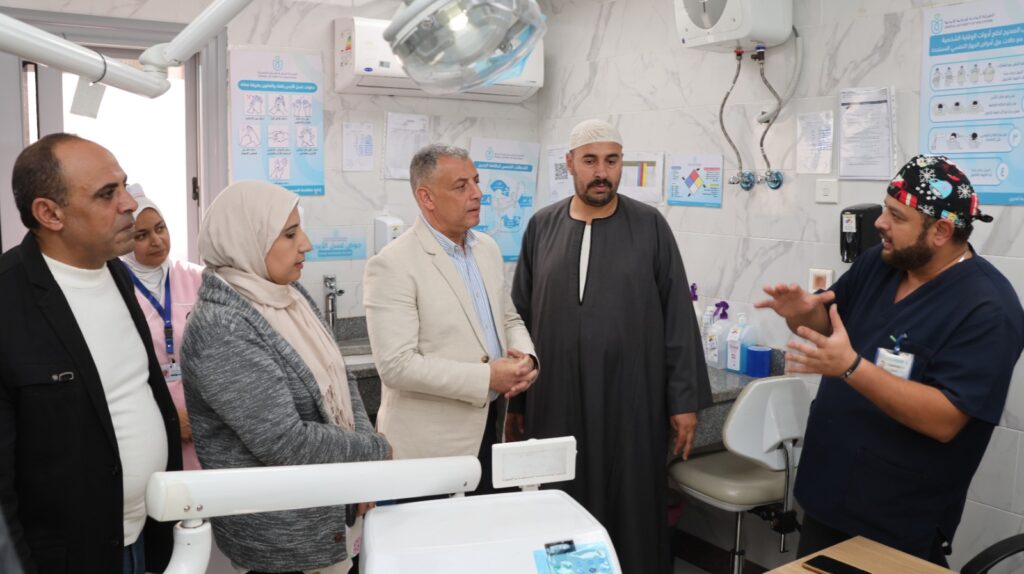
At the family medicine unit in Ein Ghossein village, where medical services are provided to over 28,000 individual medical files and more than 7,000 family files, there are no mere dry statistics. There is a story about the state’s efforts to ensure that no one is left behind.
The unit, which served 3,813 citizens during November alone, is connected to Fayid Specialized Hospital, meaning villagers don’t need to travel far to access care. In bridging the gap between plans on paper and execution on the ground, the governor listened directly to citizens. He asked about their needs. He issued immediate instructions to complete pending maintenance work.
Education = The Future
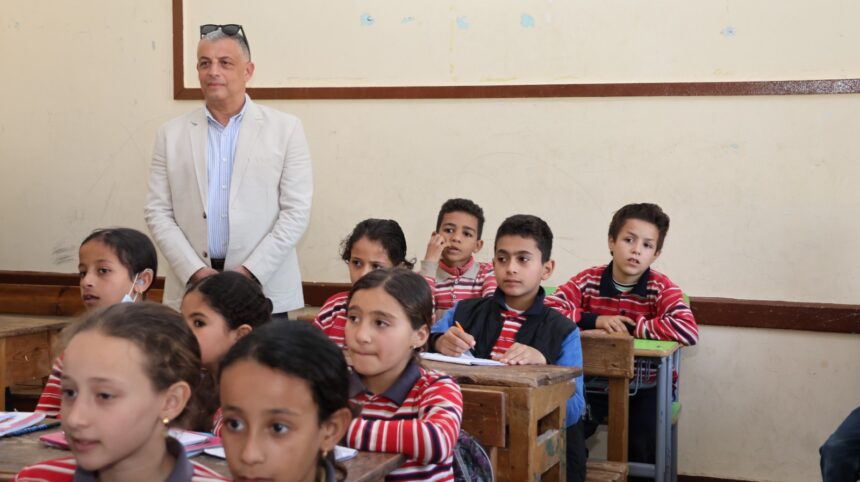
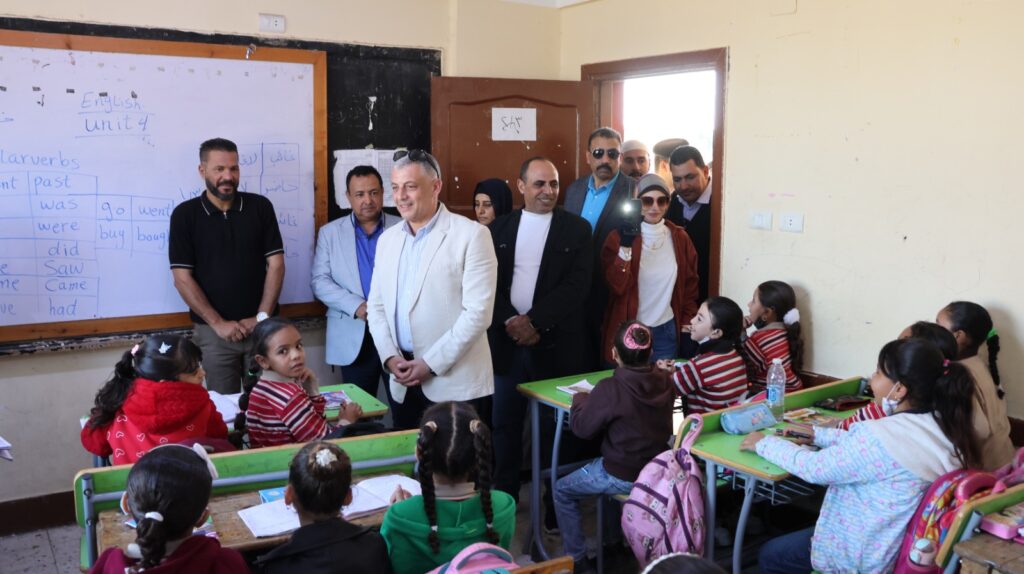
The tour moved to educational institutions, Ein Ghossein Girls Institute, the joint primary institute, Ein Ghossein and Shaheed Abdel-Wahab Aref primary schools, revealing a clearer picture: 1,471 students in this small village receive education in adequate educational facilities.
The governor praised both students and teachers alike. Yet praise didn’t stop at kind words. Direct instructions were issued to provide all school necessities and improve facility efficiency. A permanent doctor in each school, because student health is the foundation of academic focus.
The governor also noticed small details that significantly impact quality of life: a water channel needing attention, a one-kilometer road requiring paving. Details some might consider marginal, yet they represent the difference between dignified life and daily hardship.
Infrastructure: Roads That Bridge Dreams to Reality
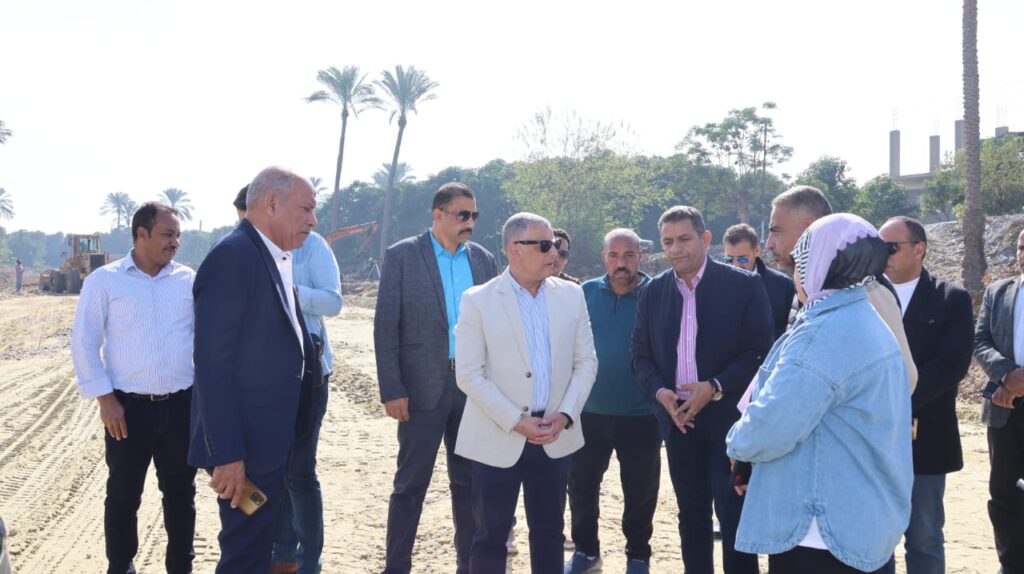
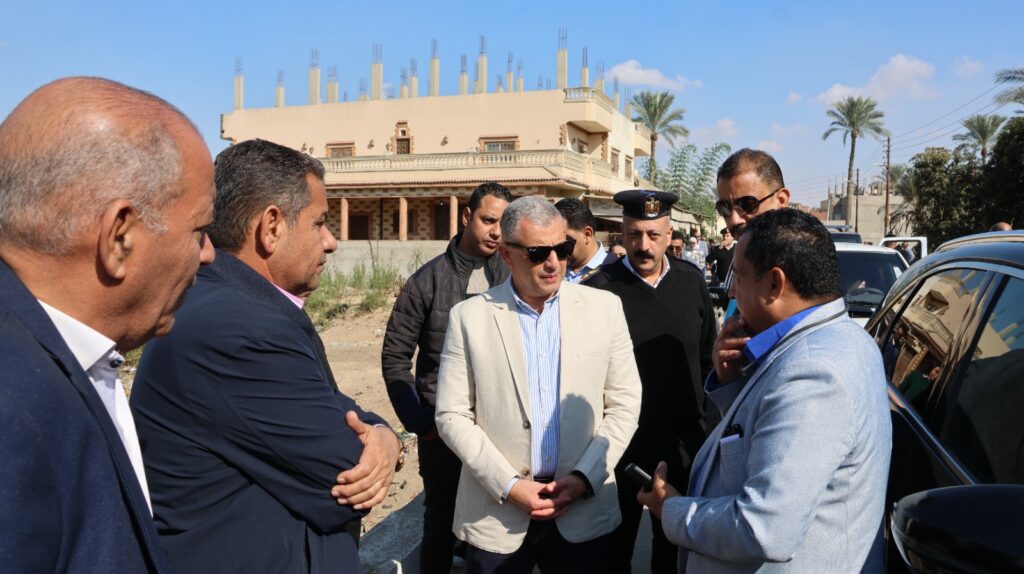
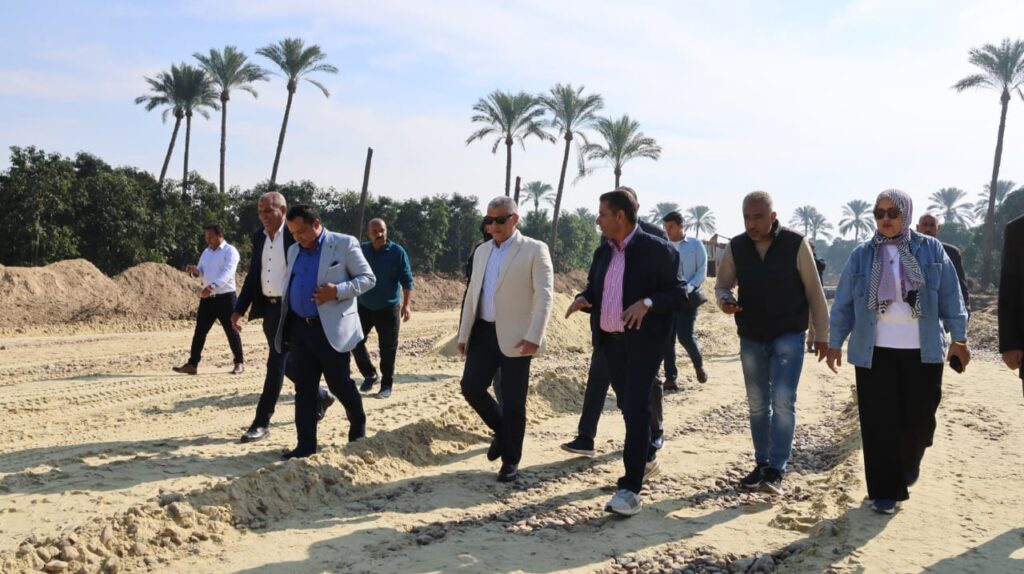
At the “Jabal Maryam – Olympic Village – Abu Semiha Gate” axis site, the governor stood before a larger vision: a 4-kilometer road, 14 meters wide, connecting Ein Ghossein, El-Dabaya, and Serapeum villages to Ismailia city and the capital. This isn’t merely about asphalt and concrete.
This is a developmental axis, a means of transporting goods, services, and opportunities. This is what opens horizons for youth to work, invest, and live with dignity. The project remains under construction due to complex engineering work and terrain challenges, but there is determination to complete construction work according to the high-quality standards Egypt currently adopts.
Green Spaces and Parks
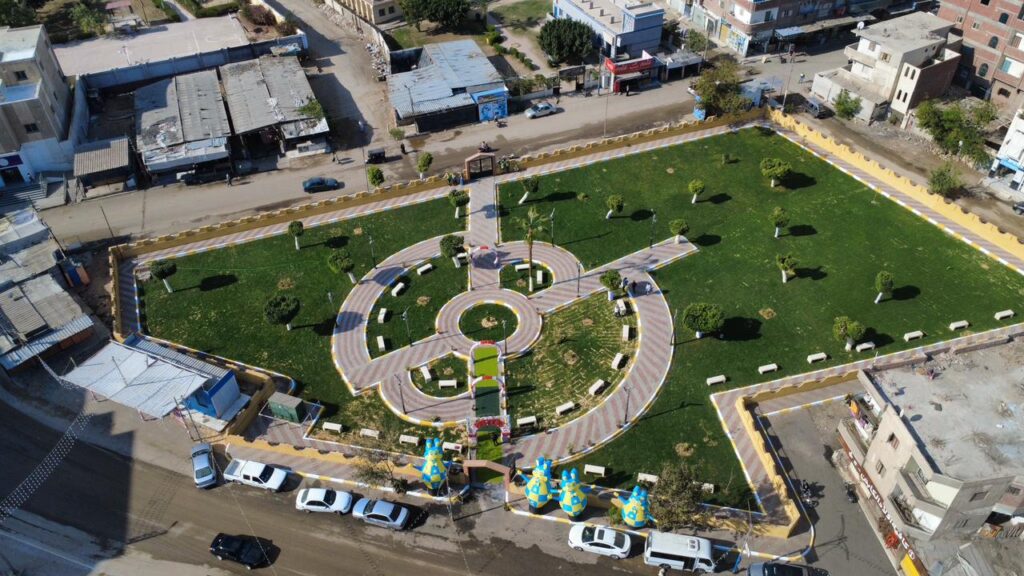
The governor inaugurated Abu Atwa Garden on 3,100 square meters, green areas, decorative light poles, marble benches. These may seem simple aesthetic details, but they reflect a valuable message: rural Egypt deserves beauty, and its people deserve happiness and dignified living.
The governor also directed the need to develop Abu Atwa Market, eliminate encroachments on public roads, and establish a civilized parking facility. This isn’t superficial beautification, but rather organized restructuring of the village’s economic and social fabric.
When Dialogue Becomes Public
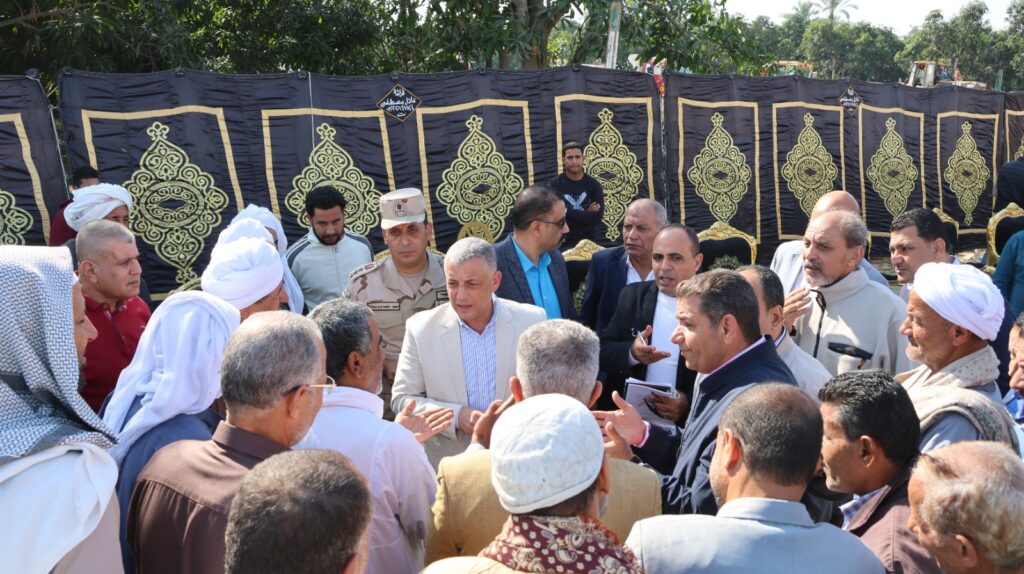
In an expanded public meeting with citizens from Ein Ghossein and El-Dobaya, there was a completely different equation from routine meetings. Citizens raised real challenges, public services, agricultural land development, job opportunities, new projects.
The governor didn’t make generic promises. He affirmed continued coordination, pointed to ongoing service and developmental projects, and reiterated the new approach: “Citizen participation in planning and implementation.” A paradigmatic shift resembling what we see here in Europe, what might be called “participatory planning.”
A Broader Vision: Building the Republic from Rural Areas
What’s happening in Ein Ghossein isn’t merely isolated local development. It’s part of an organized national strategy to modernize rural Egypt, which includes:
Integrated healthcare services, connecting rural units to specialized hospitals, ensuring preventive and curative care where citizens live.
Quality education, providing diverse educational institutions (Al-Azhar and government), with attention to school health and infrastructure.
Modern infrastructure, road networks connecting villages to employment and service centers, reducing forced migration and supporting local economies.
Organized urban development, eliminating informality and encroachments, creating civilized public spaces.
Direct democratic dialogue, genuine listening to citizen needs and converting them into implementable plans.
From Small Details to Grand Transformation
Egypt is serious about building the new republic, far removed from platforms and rousing speeches. Yet it’s actually being built in health units where doctors receive patients with dignity, in classrooms where students sit on respected seats, in roads connecting villages to opportunities, and in gardens giving rural residents moments of peace and beauty.
It’s a vision both detailed and comprehensive simultaneously. A governor standing in a small village asking about a single medical file, directing the completion of simple maintenance, yet simultaneously drawing lines of developmental corridors extending across the entire governorate’s horizons.
This is the difference between good intentions and serious implementation. And in the mother of the world, where civilizational depth and multi-layered heritage run deep, these simple and integrated steps are the beginning of real transformation.