

Johannesburg: SiltaNews – Anita Bosman
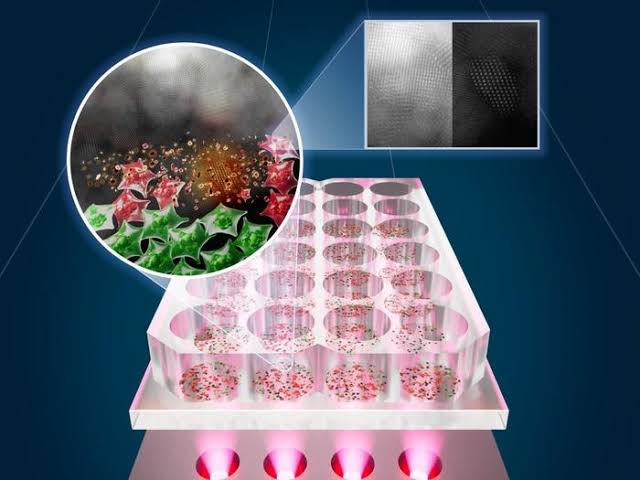
In 2025, light-based cancer treatments continued to demonstrate remarkable progress in preclinical research, building on discoveries made by U.S. universities in earlier years. Scientists at Rice University, Texas A&M, and the University of Texas refined their “molecular jackhammer” technique, which uses aminocyanine molecules activated by near-infrared light to vibrate and rupture cancer cell membranes. This method achieved up to 99% success rates in destroying cancer cells in laboratory and animal models without the use of drugs, chemotherapy, or radiation. The approach remained in the preclinical stage, but researchers emphasized its potential to revolutionize oncology by offering a non-invasive, drug-free alternative that preserves healthy tissue.
In February 2025, researchers at the University of California–Riverside announced a breakthrough in photodynamic therapy, developing a light-activated “smart bomb” that eradicated metastatic breast cancer tumors in mice. This innovation relied on newly engineered light-sensitive chemicals that selectively target cancer cells, minimizing side effects compared to traditional therapies. Together, these advances underscored a growing momentum in the field of photomedicine, with scientists worldwide exploring applications across different cancer types.
While human trials had not yet begun, the year marked a turning point in the development of light-based cancer therapies. The combination of high success rates in animal models, non-invasive mechanisms, and the absence of toxic side effects positioned these technologies as promising candidates for future clinical use. Researchers stressed that regulatory approval and long-term testing would be required before such treatments could be offered to patients, but optimism remained strong that light-driven methods could reshape cancer care in the coming decade.