

Tokyo: SiltaNews – News Desk
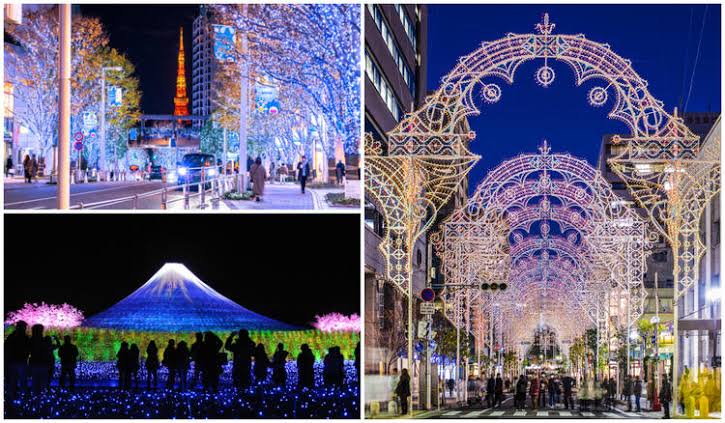
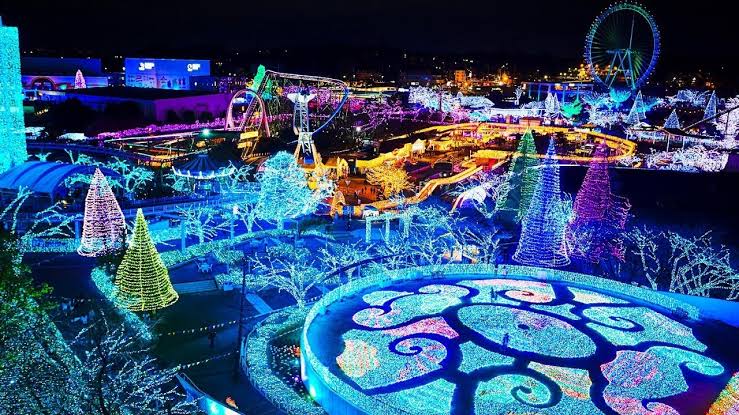
The holiday season in Japan during December is a vibrant blend of modern festivities and traditional customs. While Christmas is not an official national holiday, it has become widely celebrated, especially in urban areas where dazzling illuminations, themed markets, and seasonal decorations create a festive atmosphere. Couples often mark Christmas Eve with romantic dinners, and families enjoy Christmas cakes, a uniquely Japanese tradition.
December also features important cultural events such as the Chichibu Night Festival in Saitama, known for its ornate floats and fireworks, and the Emperor’s Birthday on December 23, which is a national holiday. As the month progresses, anticipation builds for Ōmisoka, or New Year’s Eve, when households are thoroughly cleaned to welcome the new year with purity and renewal. Families gather to eat toshikoshi soba, symbolizing longevity, and prepare for hatsumōde, the first shrine visit of the year.
New Year’s Day, or Shōgatsu, is the most significant holiday in Japan. It is marked by family reunions, the sharing of osechi ryōri (traditional New Year’s dishes), and visits to Shinto shrines or Buddhist temples. Businesses often close for several days, giving workers and students a rare extended break. Shopping districts come alive with fukubukuro, or “lucky bags,” offering mystery assortments of goods at discounted prices.
The season is also closely tied to winter leisure activities, with ski resorts in Hokkaido, Nagano, and Niigata drawing crowds from across the country and abroad. Together, these traditions and celebrations make December in Japan a unique cultural experience, blending imported customs with deeply rooted practices that emphasize renewal, family, and good fortune.