

Budapest: SiltaNews – News Desk
Hungarian schools are closed from December 20, 2025 until January 5, 2026, marking the annual Christmas holiday break. This period is one of the most anticipated times of the year for children, families, and visitors, blending festive traditions with winter leisure. The weather is typically cold, averaging around 2°C in Budapest, with occasional snow in the northern and mountainous regions, creating a seasonal atmosphere perfect for outdoor activities.
Children enjoy ice skating at Budapest’s City Park Ice Rink, one of Europe’s largest, as well as sledding and skiing in the Mátra and Bükk mountains. Museums and cultural centers host craft workshops and storytelling sessions, offering creative outlets during the holiday. Families gather on Christmas Eve, the most important celebration, sharing traditional dishes such as halászlé (fish soup) and bejgli (walnut or poppy seed roll). Midnight Mass remains a central tradition, reflecting Hungary’s Catholic heritage.
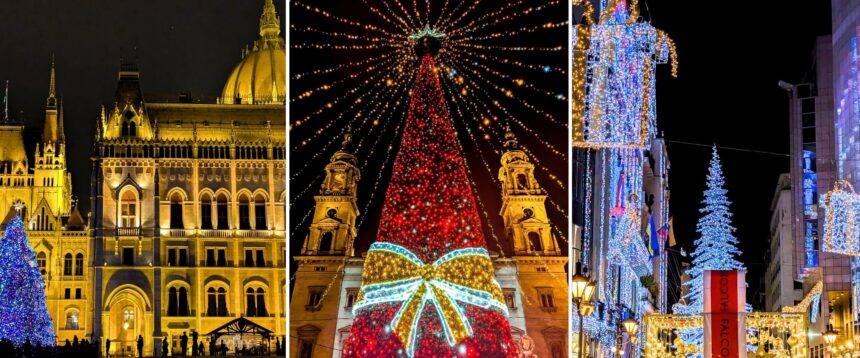
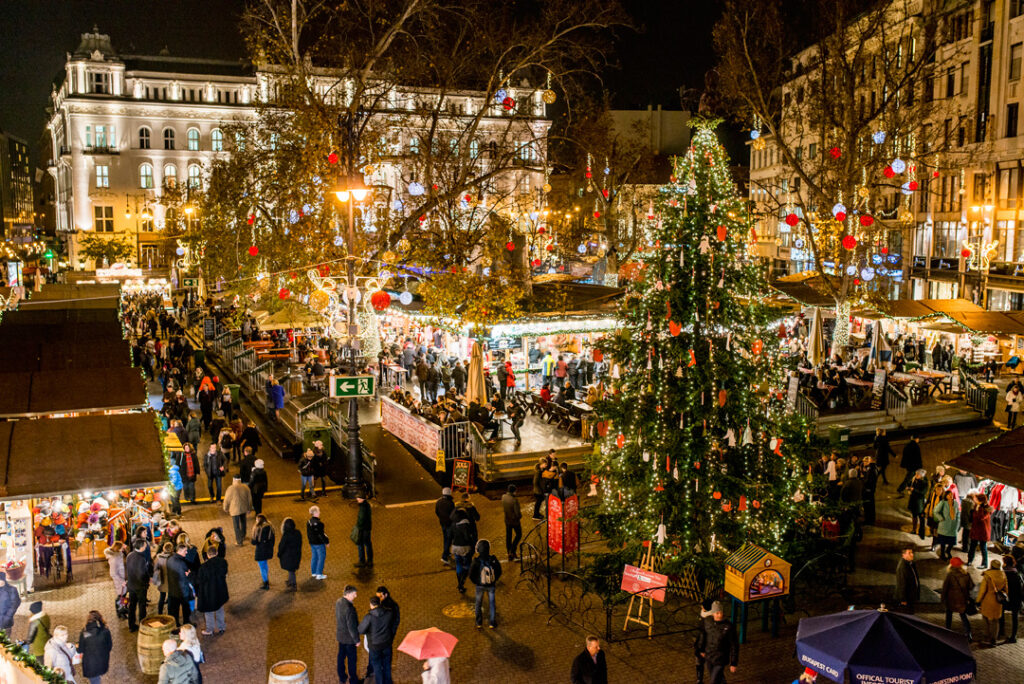
Tourists flock to Budapest’s Christmas markets, including Vörösmarty Square and the Basilica Fair, where mulled wine, handmade crafts, and festive lights create a vibrant atmosphere. Danube River cruises with holiday menus and live music add to the seasonal charm, while folk dance evenings and concerts highlight Hungary’s cultural richness.
The holiday calendar includes Christmas Eve on December 24, Christmas Day on December 25, and the Second Day of Christmas on December 26, all public holidays when most shops remain closed. New Year’s Eve, known locally as Szilveszter, brings fireworks, concerts, and street parties, followed by a quieter New Year’s Day on January 1.
Transport systems are crowded before Christmas Eve, and accommodation prices rise during this peak tourist season, making early planning essential. Despite the busy atmosphere, the Hungarian school holiday offers a unique blend of family warmth, children’s activities, and cultural experiences, making late December and early January a festive and memorable time for locals and visitors alike.