

Cairo: SiltaNews – News Desk
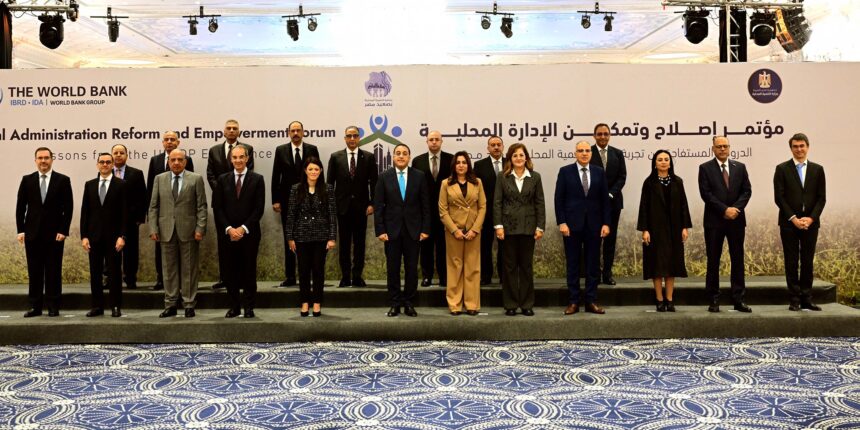
President Abdel Fattah El-Sisi has accentuated that developing Upper Egypt is not just an economic goal; it is a national message to rebuild both the people and the place, empowering citizens nationwide, Prime Minister Mostafa Madbouly affirmed. The prime minister made the remarks as he witnessed the opening of “Local Administration Reform and Empowerment Forum: Lessons from the UELDP (Upper Egypt Local Development Program) Experience” in the New Administrative Capital.
The forum was organized by the Ministry of Local Development, in partnership with several ministries and in collaboration with the World Bank. A wide range of ministers, governors, senior officials, and experts from Egypt and abroad are attending the conference, along with representatives from international financial institutions, UN agencies, the private sector, and national and international specialists.
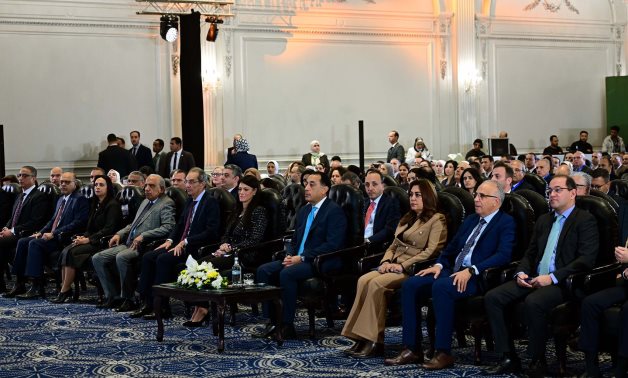
Madbouly stressed that the program was implemented in response to the directives of President Abdel Fattah El Sisi. He emphasized that these directives formed the foundation for designing the program, which focuses on improving public services, creating job opportunities, enhancing local capacities, and making local government an effective partner in implementing the sustainable development agenda.
The prime minister welcomed the attendees, describing the gathering as a key national event that culminates years of hard work, meticulous planning, and disciplined management within the framework of the UELDP. Madbouly pointed out that the program has become a pioneering national model for administrative reform and economic and social development, reflecting Egypt’s commitment to developing the most needy regions, improving service quality, and empowering local communities to actively contribute to shaping their future.
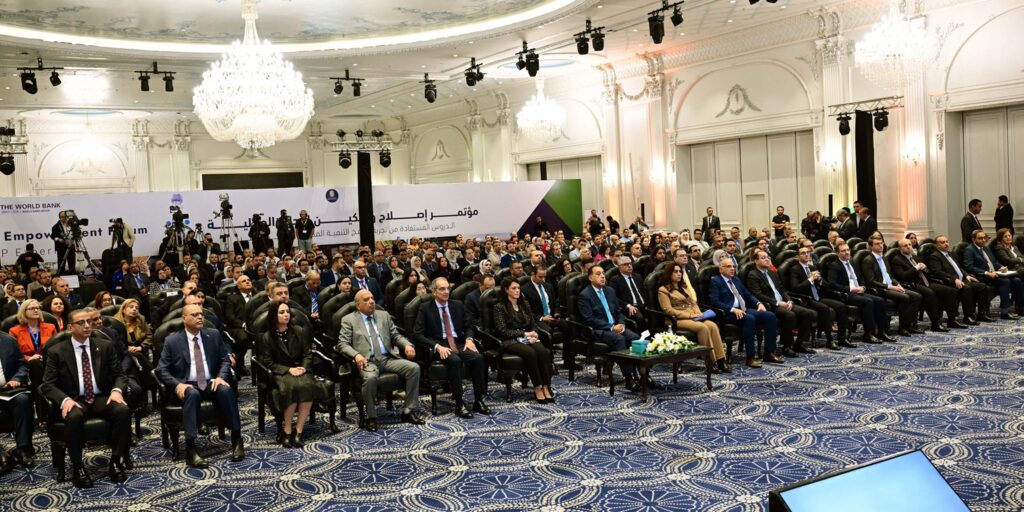
He also emphasized the program’s role in unleashing local potentials for sustainable and inclusive development. He expressed pride that the program has turned into a success story, after initially facing a range of obstacles. Madbouly explained that the actual implementation of the program began in 2018 with only two governorates. However, through cooperation with the World Bank and other international partners, the program expanded to two additional governorates, and now has a successful pilot program in four governorates in Upper Egypt.
He expressed pride in the success stories coming out of these four governorates. For the past seven years, the UELDP has been a comprehensive model managed in collaboration with international development partners, Madbouly said. It has proven to be a purely Egyptian initiative in which the governorates play a critical role, supported by technical and financial assistance from international development partners. The program has become a national model for effective local administration and reform, he said.
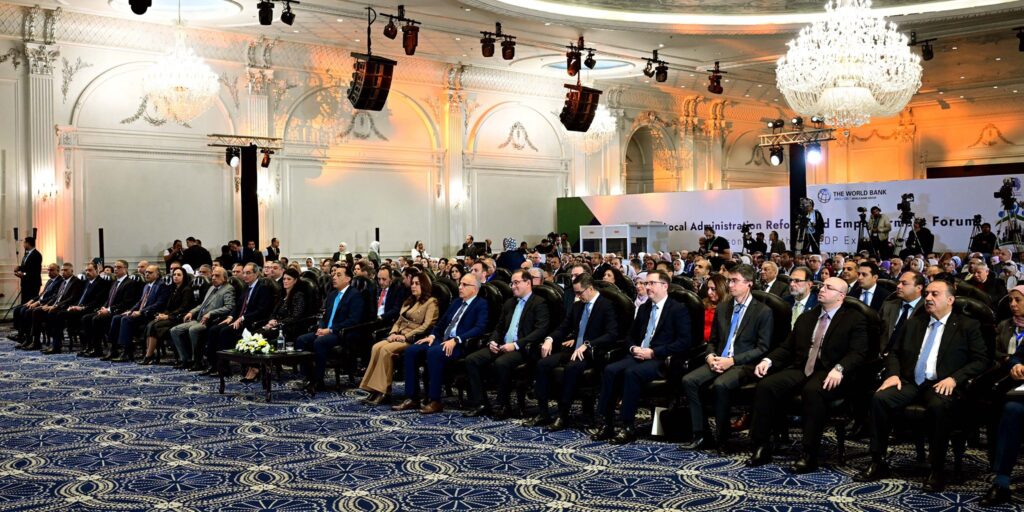
Madbouly highlighted that the program included significant reforms to the financial and administrative systems, fostering regional economic development, creating an investment-friendly environment, and ensuring the participation of citizens, youth, and women in the development process. The results have shown the program’s effectiveness in improving human development indicators, reducing poverty and unemployment rates, and enhancing public service delivery, making Egypt better prepared to face future challenges.
The prime minister noted that the first phase of the program has already demonstrated tangible success, with over 8.3 million citizens benefiting from improved infrastructure and services, and 396,000 direct and indirect jobs created. He added the national dialogue and its outcomes in 2024 emphasized the importance of decentralization, using the program as a successful national model that could be replicated.
This experience contributed to shaping the government’s decentralization strategy and empowering local administrations by developing human capacities and reforming the financial and administrative systems to ensure better and more efficient services for citizens. Madbouly referred to President El-Sisi’s directives to expand the program’s methodologies nationwide, ensuring their alignment with all ongoing development and reform efforts, making the role of local administration more effective in tackling challenges and achieving sustainable development.
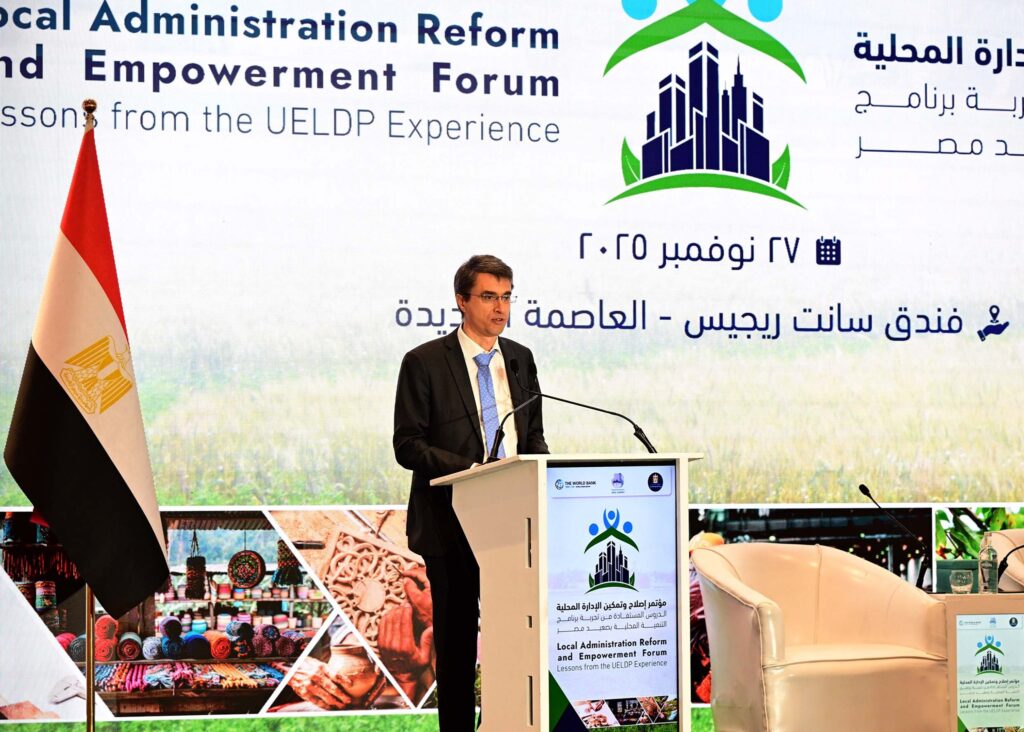
He noted that the success of the program had gained international recognition, with the program receiving global awards for its pioneering model of decentralization and efficient management of local resources. Stephane Gimbert, Regional Director for Egypt, Yemen, and Djibouti at the World Bank Group, a key partner in the Upper Egypt development program, attended the forum, praising the Egyptian government for leading an ambitious public-private initiative.
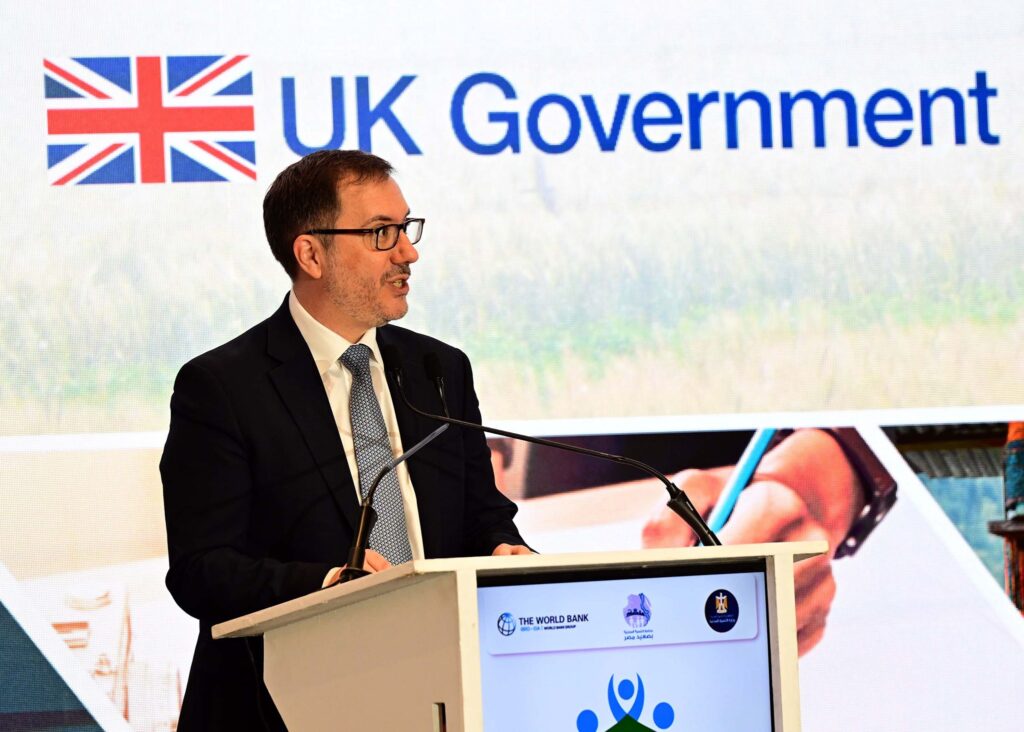
In a speech during the forum, Gimbert also thanked the United Kingdom for its contributions to the program implementation. He also commended the governors involved for delivering tangible results, noting that the program has created numerous employment opportunities for youth and women.
Attending the forum, Mark Bryson-Richardson, the British Ambassador to Cairo, expressed his pleasure at seeing private sector partners, particularly women who have achieved notable success in the program. The ambassador commended the government’s leadership of the ambitious initiative as an important step toward promoting decentralization, inclusive growth, and development, in line with Egypt’s Vision 2030.